
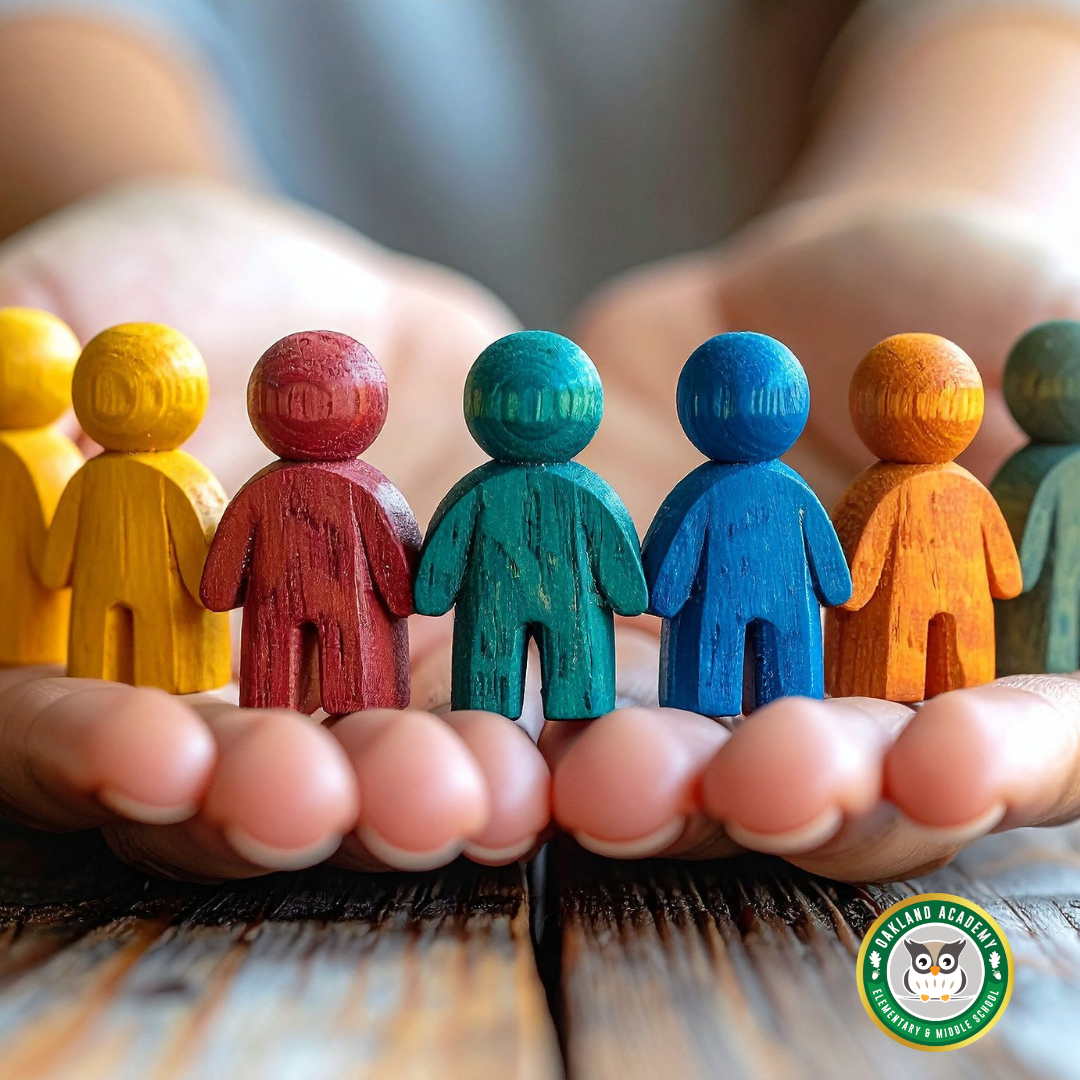
What Happens When Students Feel Like They Belong?
“My Child Just Doesn’t Feel Like They Fit In”
As parents, we often focus on academics when evaluating a school. We worry about grades, test scores, and whether our children are learning what they need to succeed.
But many parents discover that another factor can have just as much impact on a child’s success:
A sense of belonging.
Maybe your child struggles to make friends. Perhaps they feel overlooked in the classroom or disconnected from their peers. Maybe they come home saying they don’t like school, but they can’t quite explain why.
When children don’t feel like they belong, it can affect everything from their confidence and motivation to their academic performance and emotional well-being.
The good news is that when students feel accepted, valued, and connected, remarkable things often happen. They become more engaged, more confident, and more willing to take risks, learn, and grow.
Why Is Belonging So Important for Students?
Every child wants to feel like they matter.
Belonging is the feeling that:
- People know your name.
- Your ideas have value.
- You are accepted for who you are.
- You have meaningful relationships.
- You are part of something bigger than yourself.
When students feel connected to their school community, they are more likely to:
- Participate in class
- Build positive friendships
- Attend school regularly
- Develop confidence
- Try new things
- Persist through challenges
Children learn best when they feel emotionally safe and supported.
What Happens When Students Don’t Feel Like They Belong?
A lack of belonging doesn’t always show up in obvious ways.
Some students become withdrawn.
Others act out.
Some continue earning good grades while quietly struggling emotionally.
Parents may notice signs such as:
A Sudden Dislike of School
Children who once enjoyed learning may begin resisting school altogether.
Declining Confidence
Students may become hesitant to participate, speak up, or try new activities.
Social Challenges
Difficulty making friends or feeling included can impact a child’s overall happiness.
Lower Motivation
When students don’t feel connected, they may stop seeing the value in engaging with school.
Increased Anxiety
Feeling isolated can create stress and uncertainty that follows students throughout their day.
These challenges don’t mean something is wrong with the child.
Often, they indicate a need for stronger connections and support.
How Does Belonging Impact Academic Success?
Many people think of belonging as a social issue.
In reality, it directly impacts learning.
Students who feel connected are often more willing to:
- Ask questions when they need help
- Participate in discussions
- Collaborate with classmates
- Take academic risks
- Persevere through difficult assignments
When students believe they are valued members of a community, they tend to become more invested in their education.
Confidence and academic growth often go hand in hand.
What Can Parents Do If Their Child Feels Disconnected?
If you suspect your child is struggling to feel connected at school, start with a conversation.
Ask questions such as:
- Do you feel like you have friends at school?
- Is there a teacher you trust?
- What part of your day do you enjoy most?
- What part of your day feels difficult?
- Do you feel comfortable being yourself at school?
Listening without immediately trying to solve the problem can provide valuable insight.
Parents can also encourage involvement in:
- Clubs
- School activities
- Sports
- Leadership opportunities
- Community events
Meaningful connections often develop through shared experiences.
What Should Families Look for in a School Community?
When exploring schools, academics are important—but culture matters too.
Consider questions such as:
- Do students seem happy and engaged?
- Are relationships between staff and students positive?
- Does the school promote respect and inclusion?
- Are students encouraged to develop character and leadership skills?
- Does the school create opportunities for meaningful involvement?
A strong school community helps students feel seen, heard, and supported.
Can a Sense of Belonging Help Build Confidence?
Absolutely.
Many students discover confidence because someone believed in them first.
Belonging creates opportunities for students to:
- Share their ideas
- Explore their interests
- Develop friendships
- Learn from mistakes
- Celebrate achievements
As students begin feeling accepted and valued, they often become more comfortable taking on challenges and expressing themselves.
Confidence grows when children know they have a place where they belong.
How Does Oakland Academy Help Students Feel Connected and Supported?
Many families searching for a new school aren’t just looking for stronger academics.
They’re looking for a place where their child feels known.
At Oakland Academy, education is about more than academics alone. Students thrive when they feel connected to their peers, supported by caring adults, and encouraged to develop both academically and personally.
When Parents Want Their Child to Feel Seen
Children are more likely to engage when they know the adults around them genuinely care about their success.
Positive relationships help students build trust, confidence, and a stronger connection to learning.
When Character Development Matters
Belonging isn’t simply about fitting in.
It’s about becoming part of a community that values kindness, responsibility, respect, and leadership.
A school culture that promotes character development helps students build meaningful relationships while developing skills that serve them far beyond the classroom.
When Students Need Opportunities to Grow
Every child has unique strengths.
A supportive learning environment encourages students to explore their interests, discover their abilities, and gain confidence through new experiences.
When Families Want Partnership
Strong school-family relationships create consistency and support for students.
When parents and educators work together, children often feel more secure, connected, and successful.
What Happens When Students Truly Feel Like They Belong?
The transformation can be powerful.
Students who feel connected often begin to:
- Smile more
- Participate more
- Build stronger friendships
- Take pride in their accomplishments
- Show greater resilience
- Develop confidence in themselves
Most importantly, they begin seeing school as a place where they matter.
And that can change everything.
Helping Your Child Find Their Place
If your child has been struggling to feel connected, know that you’re not alone.
Many families discover that belonging is one of the most important ingredients in a successful educational experience.
Children thrive when they feel accepted.
They grow when they feel supported.
And they flourish when they know they are valued members of a community.
Finding the right school isn’t just about academics.
It’s about finding a place where your child feels like they belong.
Ready to Learn More?
If you’re looking for a school community where students are encouraged to grow academically, build confidence, develop strong character, and form meaningful connections, Oakland Academy invites you to learn more.
Schedule a tour, request information, or speak with an enrollment specialist to discover how Oakland Academy helps students find their place, develop their potential, and build a foundation for lifelong success.
0 Comments